
Van de Kamp Fish Cooking Instructions: A Comprehensive Guide
Van de Kamp’s fillets offer a convenient and tasty meal, utilizing wild-caught pollock with various crispy coatings like beer batter or panko breadcrumbs for delightful flavor.
These frozen fillets are perfect for oven baking, pan frying, air frying, or even deep frying, providing versatile cooking options to suit your preferences and time constraints.
Proper preparation, including removing ice crystals, and avoiding overcrowding, ensures optimal crispiness and even cooking, resulting in a satisfying and delicious fish experience.
Understanding Van de Kamp Fish Fillets
Van de Kamp’s frozen fish fillets are a popular choice for a quick and convenient meal, celebrated for their consistently crispy texture and palatable flavor. These fillets primarily feature wild-caught pollock, a mild-flavored white fish known for its versatility. The fillets are available in a variety of coatings, including classic crispy batter, real beer batter, and crunchy breaded options, each designed to enhance the fish’s natural taste.
Understanding the pre-battered nature of these fillets is key to successful cooking. The batter acts as both a flavor component and a protective layer during the cooking process. It’s important to note that some ice crystals may form during freezing; these should be gently removed before cooking to ensure even browning and prevent splattering.
These fillets are designed for ease of use, offering a hassle-free way to enjoy a delicious fish dinner without the need for extensive preparation. They are a staple in many households, appreciated for their consistent quality and affordability.
Types of Van de Kamp Fillets Available
Van de Kamp’s offers a diverse range of frozen fish fillets to cater to various tastes and preferences. The most prominent variety is the “Crispy Battered 100 Whole Fish Fillets,” featuring a golden, crunchy panko breading that delivers a satisfying texture. For beer enthusiasts, the “Real Beer Battered 100 Whole Fish Fillets” provide a distinct, flavorful coating, perfect for a pub-style meal.
Additionally, Van de Kamp’s provides “Real Crunchy Breaded Frozen Whole Fish Fillets,” offering a classic breaded experience ideal for fish sandwiches or a simple side dish; These fillets consistently utilize 100% whole fish, ensuring a substantial and flavorful bite. The availability of these different coatings allows consumers to choose the option that best suits their culinary desires.
These variations are widely available in supermarkets like Albertsons, Pavilions, and Shaw’s, making it easy to find your preferred Van de Kamp’s fillet.
Key Ingredient: Wild-Caught Pollock
Van de Kamp’s fish fillets prominently feature wild-caught Pollock, a mild-flavored white fish known for its flaky texture and versatility. Sourced directly from the ocean, this Pollock provides a healthy and sustainable protein source, making Van de Kamp’s a nutritious choice for any meal. The use of wild-caught fish ensures a natural flavor profile, enhanced by the various crispy coatings applied.
Pollock’s delicate taste makes it an excellent canvas for different seasonings and preparations, seamlessly blending with the beer batter, panko breadcrumbs, or classic breading options offered by Van de Kamp’s. This fish is also relatively low in fat and high in omega-3 fatty acids, contributing to a balanced diet.
Choosing wild-caught Pollock demonstrates Van de Kamp’s commitment to quality ingredients and delivering a delicious, wholesome product to consumers.
Cooking Methods for Van de Kamp Fish
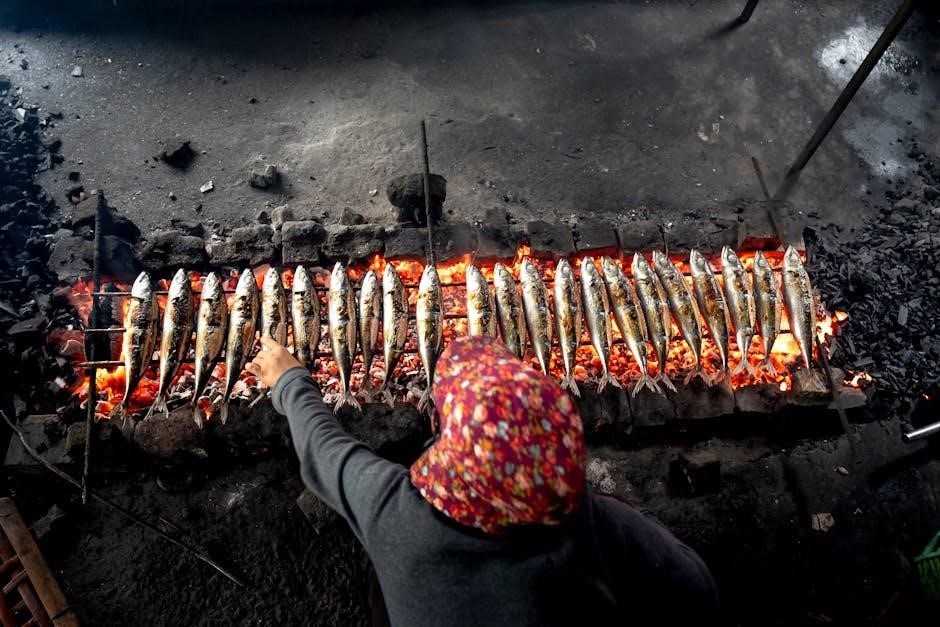
Van de Kamp’s frozen fillets offer diverse cooking options: oven baking for health, pan frying for crispiness, air frying for speed, and deep frying for tradition.
Oven Baking: A Healthy Option
Oven baking presents a healthier approach to enjoying Van de Kamp’s fish fillets, minimizing oil usage while preserving their delicious flavor and crispy coating. This method is ideal for those seeking a lighter meal without compromising on taste or convenience.
Preheating your oven is crucial for even cooking, ensuring the fish becomes flaky and the breading achieves a golden-brown crispness. Placing the fillets on a baking sheet lined with parchment paper prevents sticking and simplifies cleanup.
Baking allows for a hands-off cooking experience, freeing you to prepare side dishes or attend to other tasks. It’s a fantastic choice for busy weeknights or when you prefer a less intensive cooking method. The result is a satisfying and wholesome meal the whole family will enjoy.
Remember to avoid overcrowding the baking sheet to ensure each fillet cooks evenly and maintains its crispy texture.
Pan Frying: Achieving Crispy Perfection
Pan frying is a classic method for cooking Van de Kamp’s fish fillets, renowned for delivering exceptional crispiness and a golden-brown exterior. Selecting the right oil is paramount; oils with a higher smoke point, like vegetable or canola oil, are recommended for optimal results.
Carefully place the frozen fillets into the preheated oil, ensuring not to overcrowd the pan – this lowers the oil temperature and results in soggy fish. A shallow fry, where the oil doesn’t fully submerge the fillets, is preferred for safety and achieving the desired texture.
Maintaining consistent temperature control is key; medium-high heat ensures a crispy coating without burning. Gently flipping the fillets halfway through the cooking process guarantees even browning and flakiness. Remember to brush off any ice crystals before frying!
Pan frying offers a quick and satisfying way to enjoy these delicious fillets.
Air Frying: Quick and Convenient
Air frying presents a remarkably quick and convenient method for preparing Van de Kamp’s fish fillets, achieving a delightfully crispy texture with minimal oil. This method is particularly well-suited for a healthier alternative to deep frying, while still delivering satisfying results.
Optimal air fryer settings typically involve a temperature of around 400°F (200°C). Preheating the air fryer is crucial for ensuring even cooking and maximum crispiness. Arrange the frozen fillets in a single layer within the air fryer basket, avoiding overcrowding to promote proper air circulation.
Cooking time generally ranges from 8 to 12 minutes, flipping the fillets halfway through to guarantee uniform browning and flakiness. Air frying is ideal for quick weeknight meals or when you crave a crispy fish taco filling.
It’s a fast and easy way to enjoy Van de Kamp’s!
Deep Frying: Traditional Crispy Results (with Caution)
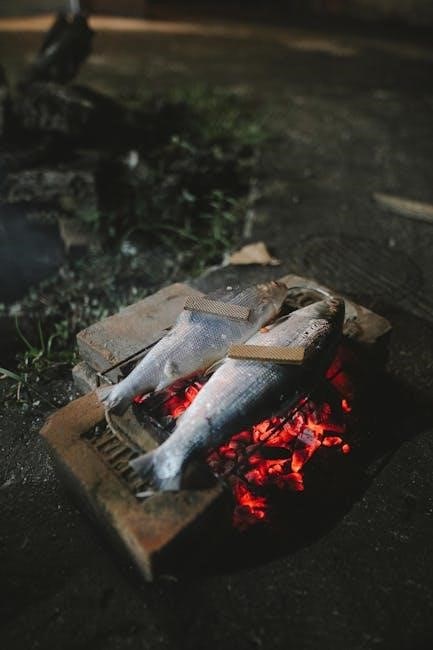
Deep frying Van de Kamp’s fish fillets delivers the most traditional, intensely crispy results, mirroring classic fish and chip shop fare. However, this method requires careful attention to safety due to the use of hot oil.
Heat cooking oil (vegetable or canola) to 350°F (175°C) in a deep fryer or a large, heavy-bottomed pot. Gently lower the frozen fillets into the hot oil, being extremely cautious to avoid splattering. Do not submerge the fish rapidly!
Fry for approximately 3-5 minutes, or until golden brown and the fish is cooked through. Remove the fillets with a slotted spoon and place them on a wire rack to drain excess oil. Always monitor the oil temperature closely and never leave hot oil unattended.
Exercise extreme caution when handling hot oil and fried food.
Detailed Cooking Instructions
Follow these guidelines for perfectly cooked Van de Kamp’s fish! We’ll cover oven baking, pan frying, air frying, and deep frying, ensuring delicious results every time.
Oven Baking Instructions
Oven baking provides a healthier method for enjoying Van de Kamp’s fish fillets, retaining flavor while minimizing added fats. Begin by preheating your oven to 400°F (200°C) for optimal cooking.
Place the frozen fillets on a baking sheet lined with parchment paper; this prevents sticking and simplifies cleanup. A light spray of cooking oil can further enhance crispness. Arrange the fillets in a single layer, ensuring they aren’t overcrowded to promote even cooking.
Bake for approximately 15-20 minutes, or until the fish is flaky and the coating is golden brown. Cooking time may vary depending on the thickness of the fillet and your oven’s calibration. Checking for internal temperature of 145°F (63°C) guarantees safety and quality.
For extra crispiness, broil for the last 2-3 minutes, keeping a close watch to prevent burning. Serve immediately with your favorite sides!
Recommended Oven Temperature and Time
For consistently delicious results when oven baking Van de Kamp’s fish fillets, a temperature of 400°F (200°C) is highly recommended. This temperature ensures the fish cooks through thoroughly while achieving a satisfyingly crispy exterior.
Generally, a baking time of 15 to 20 minutes is sufficient for most Van de Kamp’s fillets. However, this timeframe can fluctuate based on the fillet’s thickness and your oven’s specific heating characteristics. Thicker fillets will naturally require a longer cooking duration.
It’s crucial to check for doneness by gently flaking the fish with a fork. If it separates easily and is opaque throughout, it’s ready. An internal temperature of 145°F (63°C) confirms safe and complete cooking. Adjust baking time accordingly for optimal texture and flavor.
Preparing the Fish for Baking
Prior to baking, gently remove the Van de Kamp’s fillets from their packaging and pat them dry with paper towels. This step is vital for achieving a crispy coating, as excess moisture hinders browning and can lead to a soggy texture.
Crucially, brush off any visible ice crystals on the surface of the fillets. Even a small amount of ice can lower the oven temperature and prolong cooking time, impacting the final result. A dry surface promotes even cooking and optimal crispness.
Lightly greasing the baking sheet with cooking spray or lining it with parchment paper prevents sticking and simplifies cleanup. Arrange the fillets in a single layer, ensuring they aren’t overcrowded, to allow for proper air circulation and even browning.
Pan Frying Instructions
Pan frying Van de Kamp’s fish fillets delivers a delightfully crispy exterior; Begin by selecting an appropriate oil – vegetable, canola, or peanut oil work well due to their high smoke points. Add enough oil to the pan to create a shallow frying depth, approximately ¼ to ½ inch.
Heat the oil over medium-high heat. A crucial test is to drop a small piece of batter into the oil; it should sizzle immediately. Gently place the frozen fillets into the hot oil, being extremely careful to avoid splattering. Slowly lowering the fish into the oil is recommended.
Fry for approximately 3-5 minutes per side, or until golden brown and the fish is cooked through. Avoid overcrowding the pan, as this will lower the oil temperature and result in less crispy fillets. Remove and drain on paper towels before serving.
Choosing the Right Oil for Frying
Selecting the correct oil is paramount for successful pan-frying of Van de Kamp’s fish fillets. The ideal oil possesses a high smoke point, preventing it from breaking down and imparting undesirable flavors. Vegetable oil is a readily available and affordable option, offering a neutral taste.
Canola oil is another excellent choice, also boasting a high smoke point and mild flavor profile. Peanut oil, while slightly more expensive, provides a particularly crispy result and can withstand high temperatures exceptionally well. Avoid using olive oil, as its lower smoke point makes it unsuitable for frying.
The quantity of oil should be sufficient to create a shallow frying depth, roughly ¼ to ½ inch, ensuring even cooking. Using too little oil will result in unevenly cooked and potentially soggy fillets.
Frying Time and Temperature Control
Maintaining the correct oil temperature is crucial for achieving perfectly fried Van de Kamp’s fish fillets. Aim for a temperature between 350°F and 375°F (175°C ౼ 190°C). Using a thermometer ensures accuracy; if the oil isn’t hot enough, the fillets will absorb excess oil and become greasy. If it’s too hot, the coating may burn before the fish cooks through.
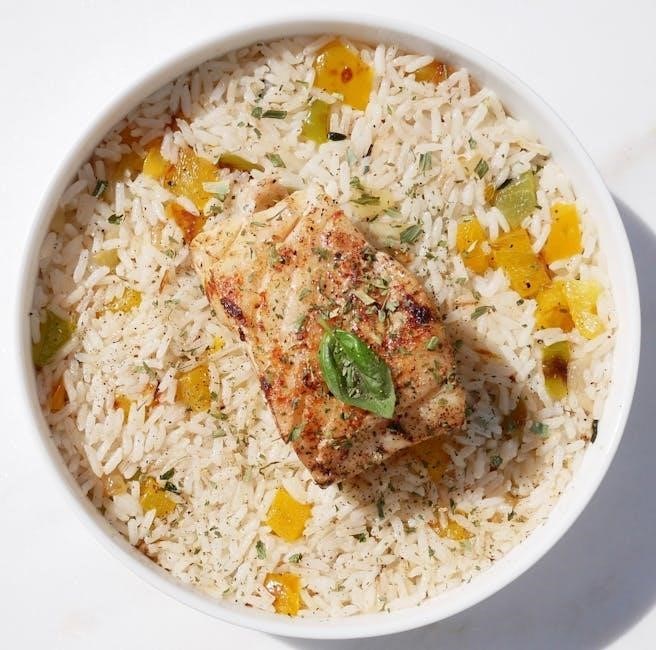
Carefully place the frozen fillets into the hot oil, avoiding overcrowding the pan. Overcrowding lowers the oil temperature, leading to uneven cooking. Fry for approximately 3-5 minutes per side, or until golden brown and the fish is flaky.
Be extremely cautious when adding frozen fish to hot oil, as it can cause splattering. Gently lower the fillets into the oil to minimize this risk. Remove the fillets with a slotted spoon and place them on a wire rack to drain excess oil.
Air Frying Instructions
Air frying offers a quick and convenient way to enjoy crispy Van de Kamp’s fish fillets with less oil. This method delivers excellent results, mimicking the texture of deep-fried fish. Begin by preheating your air fryer to 400°F (200°C) for optimal crisping. Preheating ensures even cooking and a golden-brown exterior.
Place the frozen fillets in the air fryer basket in a single layer, ensuring they aren’t overcrowded. Overcrowding hinders proper air circulation, resulting in unevenly cooked and less crispy fish. Cook for 8-12 minutes, flipping halfway through, until the fillets are golden brown and cooked through.
For a delightful twist, consider using Van de Kamp’s beer-battered fillets for quick and easy fish tacos, seasoned with your favorite taco seasoning. Enjoy a healthier, yet equally satisfying, alternative to traditional frying!
Optimal Air Fryer Settings
Achieving perfectly cooked Van de Kamp’s fish in an air fryer relies on utilizing the correct settings. A temperature of 400°F (200°C) is generally ideal for achieving a crispy exterior and flaky interior. However, slight adjustments may be needed based on your specific air fryer model.
Most air fryers function optimally with a cooking time of 8-12 minutes, but always check for doneness. Ensure the internal temperature reaches 145°F (63°C) for safe consumption. Some air fryers have a dedicated “fish” or “frozen foods” setting, which can simplify the process.
Avoid using excessively high temperatures, as this can burn the breading before the fish is fully cooked. Experiment with your air fryer to find the sweet spot for consistently crispy and delicious results with Van de Kamp’s fillets.
Preheating and Cooking Time
Preheating your air fryer is crucial for optimal results when cooking Van de Kamp’s fish fillets. Allow the air fryer to preheat to 400°F (200°C) for approximately 3-5 minutes. This ensures even cooking and a consistently crispy exterior. Skipping this step can lead to unevenly cooked fish and a soggy coating.
Once preheated, carefully place the frozen fillets in the air fryer basket in a single layer, avoiding overcrowding. A typical cooking time ranges from 8 to 12 minutes, but this can vary depending on the thickness of the fillet and your air fryer’s wattage.
Flip the fillets halfway through the cooking process to ensure both sides are evenly browned and crispy. Always check for an internal temperature of 145°F (63°C) to guarantee safe and delicious results.

Tips for the Best Results
Removing ice crystals and avoiding overcrowding are key for crispy Van de Kamp’s fish. Careful frying and proper serving enhance the flavor experience.
Removing Ice Crystals Before Cooking
Prior to cooking your Van de Kamp fish fillets, a crucial step often overlooked is the removal of any ice crystals that may have formed on the surface during freezing. These crystals, while harmless, can hinder the development of a beautifully crispy coating and potentially lead to uneven cooking.
Gently pat the frozen fillets dry with a clean paper towel. This simple action effectively absorbs surface moisture and loosens any clinging ice crystals. Avoid rinsing the fillets with water, as this can compromise the batter’s adhesion and result in a soggy final product.
A thorough drying ensures that the coating adheres properly, maximizing crispiness during cooking, whether you choose to bake, fry, or air fry your Van de Kamp fillets. This small step makes a significant difference in the overall texture and enjoyment of your meal.
Avoiding Overcrowding the Pan/Air Fryer
Maintaining adequate space between Van de Kamp fish fillets during cooking is paramount for achieving optimal results. Overcrowding the pan or air fryer basket significantly reduces heat circulation, leading to steaming instead of proper browning and crisping. This results in a less-than-ideal texture – soft and potentially soggy, rather than delightfully crispy.
When pan-frying, work in batches, ensuring each fillet has sufficient room around it. Similarly, in an air fryer, arrange the fillets in a single layer, avoiding any overlapping. This allows hot air to circulate freely, enveloping each fillet and creating that signature golden-brown crispiness.
While it may be tempting to cook all the fillets at once, patience is key. Cooking in batches ensures even cooking and a superior texture, maximizing the enjoyment of your Van de Kamp fish fillets.
Serving Suggestions & Pairings
Van de Kamp fish fillets are incredibly versatile, lending themselves to a wide array of serving suggestions and delightful pairings. For a classic experience, serve them with traditional sides like crispy french fries, creamy coleslaw, and tartar sauce – a timeless combination that never disappoints.
Elevate your meal by transforming the fillets into flavorful fish tacos, complete with shredded cabbage, pico de gallo, and a zesty lime crema. Alternatively, create satisfying fish sandwiches with your favorite toppings, such as lettuce, tomato, and a tangy remoulade sauce.
Consider pairing Van de Kamp fish with lighter sides like a fresh garden salad, steamed vegetables, or roasted potatoes to complement the crispy texture and delicate flavor of the pollock. A squeeze of lemon juice brightens the dish, enhancing the overall taste experience.
Safety Precautions When Frying
When frying Van de Kamp fish fillets, especially when deep or shallow frying, prioritize safety above all else. Always exercise extreme caution when introducing frozen fillets into hot oil, as this can cause splattering and potential burns. Lower the fish slowly into the oil to minimize this risk.
Ensure the oil temperature is carefully monitored and controlled; overheating can lead to fire hazards. Never leave hot oil unattended. Keep a fire extinguisher readily accessible in the kitchen, and familiarize yourself with its proper operation.
Avoid overcrowding the frying pan, as this can lower the oil temperature and result in unevenly cooked, soggy fillets. Use tongs to carefully handle the hot fish and avoid direct contact with the oil. Always allow the oil to cool completely before disposing of it properly.