
Crate training is a vital process for new dog owners, offering a secure den-like space for your pet and fostering a sense of safety and comfort.
Many dogs naturally seek enclosed areas, viewing a crate not as punishment, but as a personal haven—a fundamental aspect of responsible pet ownership.
Effective crate training begins early, ideally with the breeder, and involves associating the crate with positive experiences like treats and enjoyable toys.
Understanding that a crate aids in managing anxiety, stress, and loneliness, especially during absences, is key to successful implementation and a happy pup.
What is Crate Training?
Crate training is a humane method of providing a safe haven for your puppy, capitalizing on their natural instinct to seek den-like spaces. It’s about creating a positive association with the crate, transforming it from a potential source of anxiety into a comforting retreat. This isn’t punishment; it’s about offering security.
Essentially, crate training teaches your puppy to accept the crate as their personal space – a place where they can relax, rest, and feel protected. It’s a valuable tool for housetraining, preventing destructive behaviors when you’re unable to supervise, and easing travel anxieties.
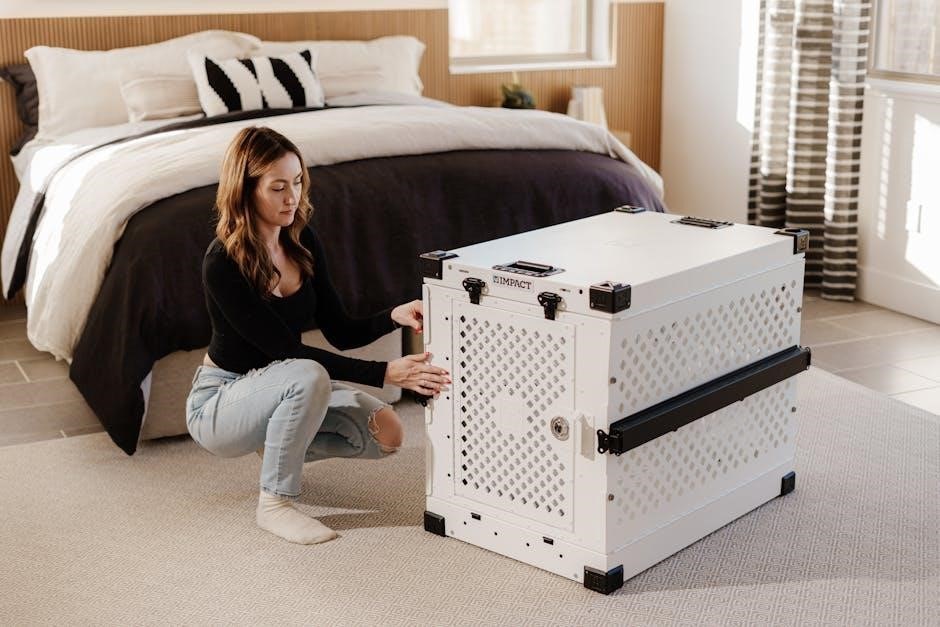
The goal isn’t to confine your puppy for extended periods, but to provide a secure base from which they can explore the world. A properly introduced crate becomes a sanctuary, reducing stress and promoting a sense of calm. It’s a fundamental aspect of responsible dog ownership, benefiting both you and your furry friend.
Successful crate training relies on patience, consistency, and positive reinforcement.
Benefits of Crate Training
Crate training offers a multitude of advantages for both puppies and their owners. Primarily, it significantly aids in housetraining, as dogs instinctively avoid soiling their den. This creates a predictable routine and minimizes accidents within the home.
Beyond housetraining, a crate provides a secure space, reducing anxiety and destructive behaviors when you’re away or unable to supervise. It’s a haven where your puppy can relax and feel safe, preventing unwanted chewing or digging.
Furthermore, crate training simplifies travel. Your puppy is already accustomed to their crate, making car rides and visits to the vet less stressful. It also offers a safe recovery space post-surgery or during illness. Ultimately, crate training fosters independence and provides a valuable tool for managing your puppy’s well-being.
It’s a win-win for everyone involved!
Debunking Crate Training Myths
Many misconceptions surround crate training, often portraying it as cruel or isolating. A common myth is that crates are punishment, but this is entirely untrue. A crate should never be used for disciplinary purposes; it’s a safe haven, a den-like space where your puppy feels secure.
Another myth suggests crate training hinders socialization. However, a properly implemented schedule allows ample time for play, training, and interaction. The crate simply provides a retreat when needed.
Some believe puppies shouldn’t be crated for extended periods. While prolonged confinement isn’t ideal, a gradual increase in crate time, coupled with regular potty breaks and enrichment, is perfectly acceptable. Remember, the goal is comfort, not confinement.
Crate training, when done correctly, is a compassionate and effective method!
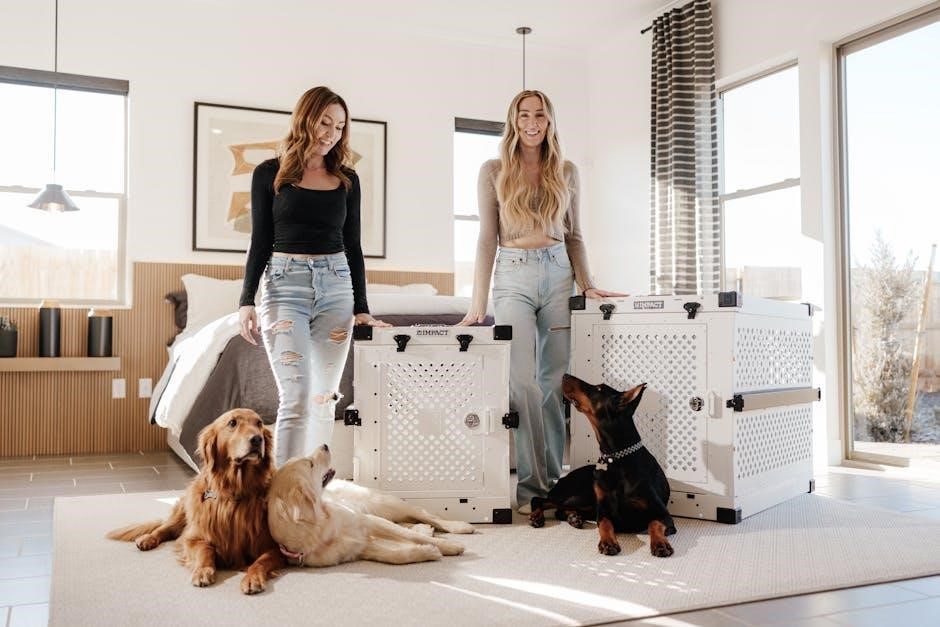
Preparing for Crate Training
Successful crate training requires careful preparation, including selecting the appropriate crate size and ensuring a comfortable, inviting space for your new companion.
Introduce the crate gradually, associating it with positive experiences like treats and toys, to build a positive association for your puppy.
Prior planning and patience are essential for a smooth transition, setting the stage for a well-adjusted and confident canine friend.
Choosing the Right Crate Size
Selecting the correct crate size is paramount for successful puppy crate training, directly impacting your pup’s comfort and willingness to use the space.
The crate should be large enough for your puppy to comfortably stand up, turn around, and lie down without feeling cramped, but not so large that they can eliminate in one corner and sleep in another.
For puppies, consider a crate with a divider panel; this allows you to adjust the space as your puppy grows, preventing them from developing a habit of using a portion of the crate as a bathroom.
Measure your puppy while standing and lying down to determine the appropriate dimensions, and remember to account for their expected adult size if purchasing a crate for the long term.
A crate that’s too big can hinder housetraining, while one that’s too small can cause discomfort and anxiety, so finding the right balance is crucial for a positive experience.
Making the Crate Comfortable
Transforming the crate into a cozy den is essential for encouraging your puppy to embrace it as a safe and inviting space, rather than viewing it as confinement.
Start by lining the crate with soft, comfortable bedding, such as a puppy-safe blanket or a plush dog bed, ensuring it’s washable for easy cleaning during inevitable accidents.
Include a few safe and engaging toys to provide mental stimulation and prevent boredom, rotating them regularly to maintain your puppy’s interest and prevent monotony.
Consider adding an item of your clothing with your scent, offering a comforting reminder of your presence when you’re away, reducing anxiety and promoting a sense of security.
Avoid using harsh or abrasive materials, and always prioritize your puppy’s safety by ensuring all items within the crate are non-toxic and cannot be easily chewed or swallowed.
Introducing the Crate to Your Puppy
Initial introduction should be positive and gradual, avoiding any force or pressure that could create negative associations with the crate.
Begin by simply leaving the crate door open, allowing your puppy to explore it at their own pace, and tossing high-value treats or favorite toys inside to entice them.
Encourage exploration with verbal praise and gentle encouragement, but never push or lure your puppy into the crate; let curiosity be their guide.
Feed your puppy meals near the crate, gradually moving the bowl closer to the entrance, and eventually inside, to associate the crate with positive experiences like eating.
Short, supervised crate sessions with a favorite chew toy can help build positive associations, gradually increasing the duration as your puppy becomes more comfortable and confident.

Puppy Crate Training Schedule ⎻ Week 1
Week one focuses on familiarity; feed meals in the crate, initiate brief daytime sessions, and introduce nighttime crate rest with comforting toys.
Potty breaks are crucial before and after crate time, establishing a routine and preventing accidents, while keeping sessions short and positive;
Feeding Meals in the Crate
Introducing food inside the crate is a cornerstone of positive association. Begin by placing your puppy’s meal just inside the crate, allowing them to enter willingly to eat. If they hesitate, gently encourage them with verbal praise and a small treat, but never force them inside.
Gradually move the food bowl further back into the crate with each feeding, encouraging deeper exploration and comfort within the space. This method leverages your puppy’s natural instinct to associate the crate with something positive – nourishment and satisfaction. Ensure the crate door remains open during these initial feedings, allowing free access and preventing any feelings of confinement.
As your puppy becomes more comfortable, you can briefly close the door while they eat, gradually increasing the duration. Always supervise during these sessions, and immediately open the door once they finish their meal. This builds confidence and transforms the crate from an unknown object into a safe, inviting dining area.
Short Crate Sessions During the Day
Incorporate brief crate sessions throughout the day, even when you’re home. Start with just 5-10 minute intervals, gradually increasing the duration as your puppy demonstrates comfort. These sessions aren’t about punishment; they’re about building positive associations with the crate as a safe and relaxing space.
During these times, provide a safe chew toy or a puzzle feeder to keep your puppy occupied and prevent boredom. Avoid using the crate immediately after energetic play, as a tired puppy may simply want to sleep and won’t actively engage with the crate as a positive environment.
Randomly reward your puppy with treats or praise when they are quietly resting in the crate, reinforcing calm behavior. Consistency is key; regular, short sessions are more effective than infrequent, long ones. These daytime sessions help your puppy generalize the crate as a safe haven, regardless of your presence.
Introduce nighttime crate stays gradually, starting with the crate placed near your bed. This proximity provides reassurance and allows your puppy to hear and smell you, reducing anxiety. Ensure a comfortable bedding and a familiar toy are inside to encourage relaxation.
Before bedtime, a potty break is crucial to minimize nighttime accidents. Keep the initial nighttime crate sessions relatively short, perhaps just a few hours, and gradually extend the duration as your puppy adjusts. If your puppy whines or barks, avoid immediately letting them out, as this reinforces the behavior.
Instead, calmly reassure them without excessive attention. Remember, the goal is for the crate to become a den-like sanctuary, promoting restful sleep for both you and your furry friend. Patience and consistency are paramount during this phase of crate training.

Puppy Crate Training Schedule ⎯ Week 2
Gradually increase crate time, incorporating more frequent potty breaks before and after sessions. Enrichment toys will help keep your puppy occupied and content;
Increasing Crate Time Gradually
Week 2 focuses on building your puppy’s comfort level with longer periods in the crate. Begin by extending crate sessions by just a few minutes each day, always monitoring for signs of stress or anxiety. A gradual approach is crucial; avoid overwhelming your puppy with too much time confined at once.
During the day, aim for several short crate sessions interspersed with playtime and potty breaks. For example, a 30-minute crate time followed by a 15-minute play session. As your puppy adjusts, slowly increase the crate duration to 45 minutes, then an hour, and so on. Remember, consistency is key to success.
Observe your puppy closely for any indications of discomfort, such as excessive whining, barking, or attempts to escape. If these occur, shorten the crate time and revisit the introduction steps from Week 1. Positive reinforcement, like treats and praise, should always accompany crate time to create positive associations.
Potty Breaks Before and After Crate Time
Consistent potty breaks are absolutely essential during crate training to prevent accidents and reinforce good habits. Before each crate session, take your puppy outside to eliminate, praising and rewarding them immediately upon success. This establishes a clear expectation and minimizes the likelihood of them soiling their crate.
Immediately after your puppy exits the crate, another potty break is crucial, even if they didn’t eliminate beforehand. Puppies have small bladders and require frequent opportunities to relieve themselves. A consistent routine of “crate-potty-play” helps them learn to associate the crate with control and cleanliness.
Pay close attention to your puppy’s signals indicating they need to go, such as circling, sniffing, or squatting. Respond promptly to these cues to avoid accidents. Remember, patience and consistency are key to successful potty training alongside crate training.
Adding Enrichment Toys to the Crate
Enrichment toys transform the crate from a simple confinement space into a positive and engaging environment for your puppy. Introduce safe, durable toys that will keep them occupied and mentally stimulated while you’re away. Puzzle toys, stuffed Kongs, or chew toys are excellent choices, providing entertainment and preventing boredom.
Rotate the toys regularly to maintain your puppy’s interest and prevent them from becoming desensitized. Avoid toys that could be easily destroyed and ingested, posing a safety hazard. The goal is to create a positive association with the crate, so your puppy willingly enters and settles down.
Remember to only provide toys inside the crate, making them special and exclusive to that space. This further reinforces the crate as a desirable and rewarding location for your furry friend.
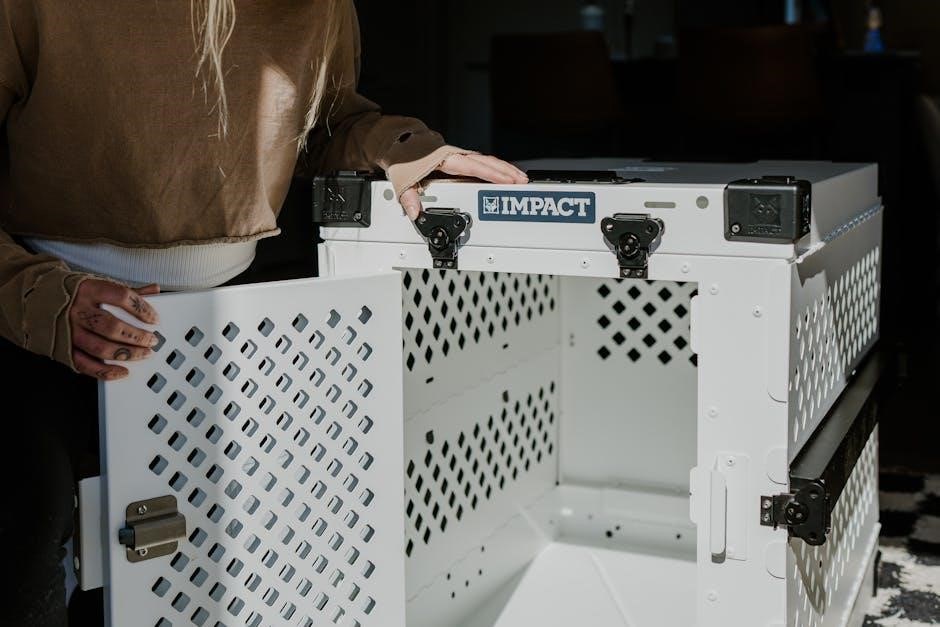
Puppy Crate Training Schedule ⎻ Week 3 & Beyond
Extended crate time builds independence, while addressing whining requires patience; gradually increase duration, and utilize the crate for travel and longer absences effectively.
Crate Training During Work/School Hours
Successfully navigating crate training while balancing work or school demands a carefully planned approach. Begin by ensuring your puppy has a comfortable and enriching crate setup, complete with safe toys and bedding. A pre-departure routine is crucial; a potty break and a brief play session can help tire your puppy out.
Consider leaving a food-stuffed Kong or puzzle toy to provide mental stimulation during your absence. For longer periods, a midday dog walker or pet sitter can offer a much-needed potty break and social interaction.
Upon your return, immediately address your puppy’s needs – potty break first, followed by quality playtime and affection. Avoid making a big fuss over departures or arrivals, as this can heighten anxiety. Consistency is key; sticking to a predictable schedule will help your puppy adjust and feel secure in their crate while you’re away.
Dealing with Whining and Barking
Whining and barking are common during crate training, often stemming from anxiety, boredom, or a need to eliminate. It’s crucial to differentiate between a genuine need (potty break) and attention-seeking behavior. If your puppy recently ate or drank, or it’s been a while since their last potty break, immediately take them outside.
However, if their needs are met, avoid responding to whining or barking with attention – even negative attention can reinforce the behavior. Ignoring the vocalization (after confirming their needs are met) teaches your puppy that whining won’t get them what they want.
Provide plenty of mental and physical stimulation before crate time to reduce restlessness. A stuffed Kong or puzzle toy can also help distract them. Consistency is paramount; giving in even once can undo progress.
Extending Crate Time for Longer Absences
Gradually increasing the duration of your puppy’s crate time is essential for preparing them for longer absences, like work or school. Begin by adding just a few minutes each day, monitoring for signs of stress or anxiety. Simulate your departure routine – grabbing keys, putting on shoes – without actually leaving, to desensitize your pup.
Ensure your puppy has a comfortable and enriching environment within the crate, including safe chew toys and a cozy bed. A tired puppy is a good puppy; provide ample exercise before longer crate sessions.
Never use the crate as punishment, as this will create negative associations. If your puppy struggles, revert to a shorter duration and progress more slowly. Consider a pet camera to monitor their well-being while you’re away.
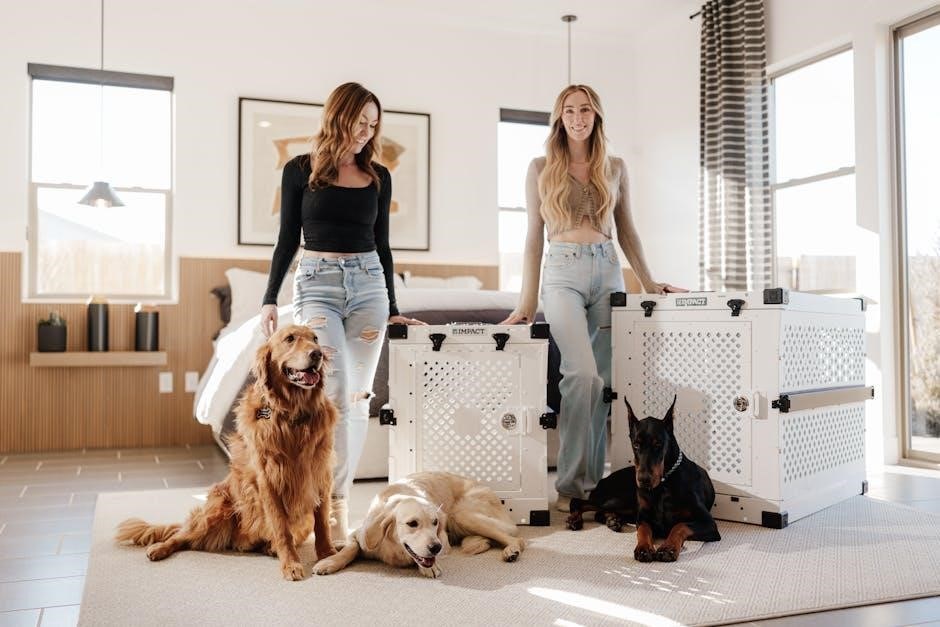
Troubleshooting Common Crate Training Issues
Addressing challenges like refusal to enter, accidents, or anxiety is crucial for success; patience and positive reinforcement are key to resolving these common hurdles.
Understanding the root cause—fear, discomfort, or lack of association—will guide your approach to a more positive crate experience for your puppy.
Consistent routines and avoiding punishment are vital for building confidence and ensuring the crate remains a safe, welcoming space.
Puppy Refuses to Enter the Crate
If your puppy resists the crate, avoid forcing them inside, as this can create negative associations and worsen the problem. Instead, focus on making the crate incredibly appealing.
Start by placing high-value treats just inside the entrance, gradually moving them further back as your puppy becomes more comfortable approaching. Toss favorite toys into the crate to encourage exploration, and feed meals near, then inside, the open door.
Create a positive experience by associating the crate with enjoyable activities. A comfortable bed and familiar scents can also help. Short, supervised sessions are best; never use the crate as punishment.
If the puppy remains hesitant, try covering the crate with a blanket to create a den-like atmosphere, which can reduce anxiety. Patience and consistency are paramount – celebrate small victories and avoid pressure.
Accidents in the Crate
If your puppy has an accident inside the crate, it’s crucial to avoid punishment, as this can create fear and anxiety. Instead, thoroughly clean the crate with an enzymatic cleaner to eliminate the odor and discourage repeat occurrences.
Accidents often indicate the crate is too large, allowing the puppy to eliminate in one corner and sleep in another. Ensure the crate is appropriately sized – just large enough for the puppy to stand, turn around, and lie down comfortably.
Review your potty break schedule and ensure frequent enough opportunities are provided, especially before and after crate time. A consistent schedule is key to preventing accidents.
If accidents persist, consult with your veterinarian to rule out any underlying medical issues. Remember, patience and positive reinforcement are essential throughout the crate training process.
Signs of Anxiety in the Crate
Recognizing anxiety is vital during crate training. Common signs include excessive whining, barking, scratching at the crate, and attempts to escape. Observe your puppy closely for these behaviors, as they indicate discomfort or distress.
Panting, pacing, and drooling, even when the temperature is comfortable, can also signal anxiety. A tucked tail or flattened ears are further indicators of a fearful state. If these signs appear, reassess the training process.
Ensure the crate isn’t being used as punishment, as this will exacerbate anxiety. Instead, create positive associations with the crate through treats, toys, and comfortable bedding.
If anxiety is severe or persistent, consult with a veterinarian or certified professional dog trainer for guidance and support. Addressing anxiety promptly is crucial for successful crate training.
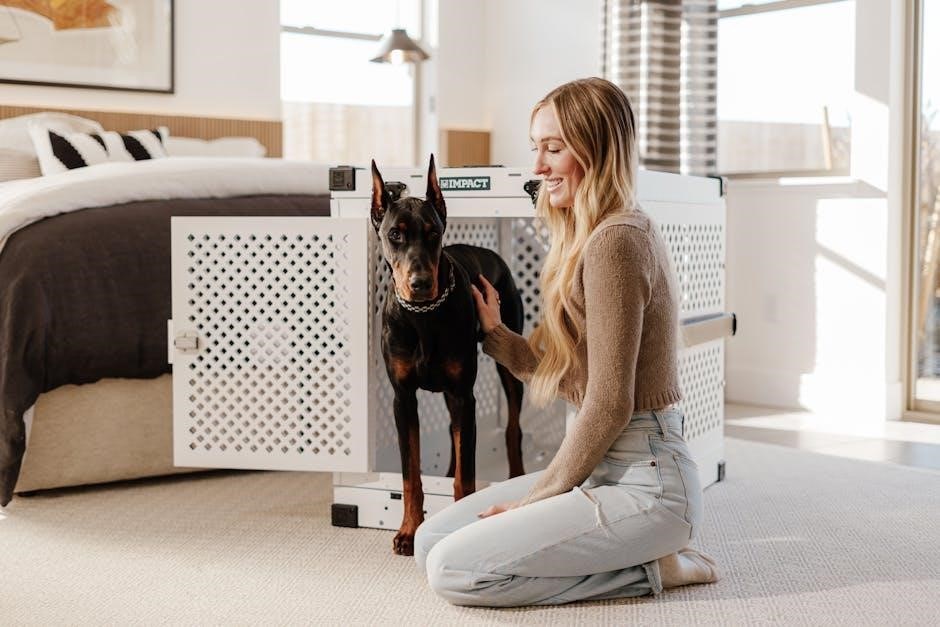
Advanced Crate Training Tips
Utilize the crate for travel, ensuring a familiar and safe space during journeys. Adapt crate training for adult dogs with patience and positive reinforcement techniques.
Gradually increase crate duration, building confidence and independence in your canine companion, fostering a secure environment.
Using a Crate for Travel
Leveraging your puppy’s crate familiarity for travel can significantly reduce stress for both of you. Since your pup already associates the crate with safety and comfort, it becomes a portable den during car rides or airplane journeys.
Before any trip, ensure the crate is securely fastened within the vehicle to prevent shifting during transit. Introduce short car rides with the puppy in the crate, gradually increasing the duration to acclimate them to the motion.
For air travel, confirm airline regulations regarding crate size and ventilation. A well-ventilated and appropriately sized crate is crucial for your puppy’s wellbeing. Include familiar bedding and a favorite toy to provide comfort during the journey.
Remember to offer potty breaks during longer trips and provide water as needed. A crate-trained puppy is far more likely to remain calm and secure during travel, making the experience more pleasant for everyone involved.
Crate Training for Adult Dogs
Introducing a crate to an adult dog requires patience and a slightly different approach than with puppies. Many adult dogs haven’t experienced crate training and may initially resist the confined space. The key is to create positive associations, avoiding any forceful methods.
Begin by simply leaving the crate door open, placing treats and toys inside to encourage exploration. Feed meals near or inside the crate, gradually moving the food further in as the dog becomes comfortable.
Short, supervised crate sessions, starting with just a few minutes, are essential. Gradually increase the duration as the dog shows signs of relaxation. Never use the crate as punishment, as this will create negative associations.
Consistency and positive reinforcement are vital. With time and patience, even an adult dog can learn to view the crate as a safe and comforting retreat.
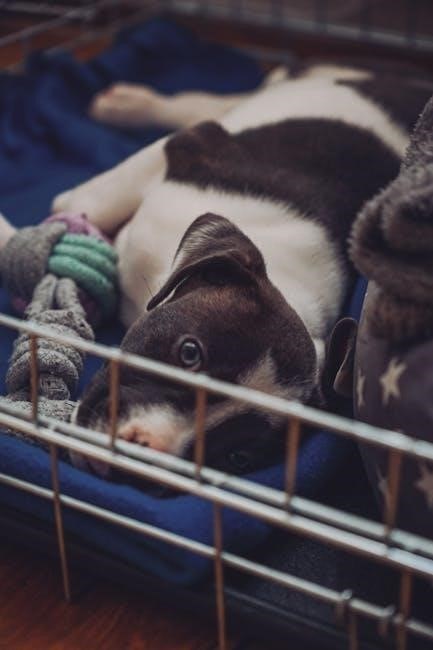
Resources for Puppy Crate Training PDF
Numerous printable crate training schedules and helpful guides are available online, offering structured plans for success.
Recommended books and websites provide expert advice, supporting you through each stage of the process for a well-adjusted pup.
Finding Printable Crate Training Schedules
Locating readily available, printable crate training schedules is a fantastic first step in establishing a consistent routine for your puppy. A quick online search reveals a wealth of resources, often offered as free downloads in PDF format. These schedules typically break down the training process into weekly increments, providing clear guidance on increasing crate time and managing potty breaks.
Many veterinary websites and reputable dog training blogs offer downloadable schedules tailored to different puppy ages and temperaments. Look for schedules that emphasize positive reinforcement and gradual introduction to the crate. Consider options that detail feeding times within the crate, daytime crate sessions, and nighttime introductions.
When selecting a schedule, ensure it aligns with your daily routine and your puppy’s individual needs. Remember to adapt the schedule as needed, observing your puppy’s progress and adjusting the pace accordingly. Printable schedules offer a tangible way to track your progress and stay organized throughout the crate training journey.
Recommended Books and Websites
For comprehensive guidance beyond printable schedules, several books and websites offer invaluable support during puppy crate training. “Perfect Puppy in 7 Days” by Sophia Yin provides a detailed, positive reinforcement-based approach, often referencing crate training as a core component. Additionally, Zak George’s website and YouTube channel offer accessible video tutorials and articles on crate training techniques.
The American Kennel Club (AKC) website features a wealth of information on dog training, including crate training, with articles covering common challenges and solutions. Websites like “Whole Dog Journal” provide in-depth reviews of crate options and training resources.
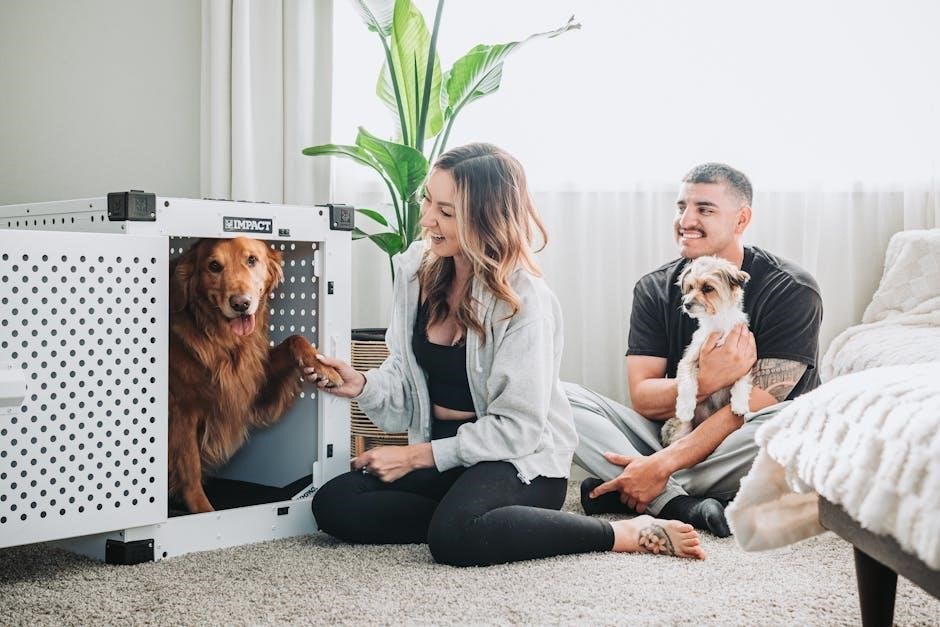
Consider exploring resources from certified professional dog trainers (CPDTs) for personalized advice. These resources often complement downloadable puppy crate training schedule PDFs, offering a holistic understanding of the process and addressing individual puppy needs effectively.