
Monster Bluetooth Audio Receiver Manual: A Comprehensive Guide
Monster devices, like the MBA9-1011-BLK, transform audio experiences. This guide details setup, operation, troubleshooting, and advanced features for optimal stereo sound.
Monster Bluetooth receivers bridge modern wireless technology with existing audio systems, offering seamless connectivity for streaming music and calls. These compact adapters, such as the 2MNCA0116B0A2, convert any stereo, amplifier, or car audio setup into a Bluetooth-enabled entertainment hub.
Designed for simplicity, Monster receivers prioritize ease of use with features like one-touch pairing and multi-device memory. They support various audio formats – MP3, WMA, FLAC, and WAV – ensuring compatibility with diverse digital libraries. The V5.0 Bluetooth technology provides a stable connection and extended range, enhancing the overall listening experience.
Understanding the Core Functionality
Monster Bluetooth receivers function as a wireless bridge, receiving audio signals from Bluetooth-enabled devices – smartphones, tablets, laptops – and transmitting them to wired audio systems. They utilize Bluetooth V5.0 for a reliable connection up to 10 meters.
Many models, like the BT17, also incorporate FM transmitter capabilities, allowing streaming to car stereos. The receiver decodes audio formats (MP3, WMA, FLAC, WAV) and outputs a clean signal. A built-in microphone facilitates hands-free calling. Understanding these core functions unlocks the full potential of your Monster receiver, providing a convenient and high-quality audio experience.
Key Features and Specifications
Monster Bluetooth receivers boast easy one-touch pairing and multi-device memory for seamless connectivity. Many models feature an LED display indicating connection status and audio information. The integrated FM transmitter expands usability to older car stereos.
Specifications commonly include Bluetooth V5.0, a 10-meter range, and support for MP3, WMA, FLAC, and WAV audio formats. Power input varies, but typically requires a standard USB connection. These receivers prioritize delivering high-fidelity stereo sound, enhancing your listening experience with convenient wireless freedom and versatile functionality.
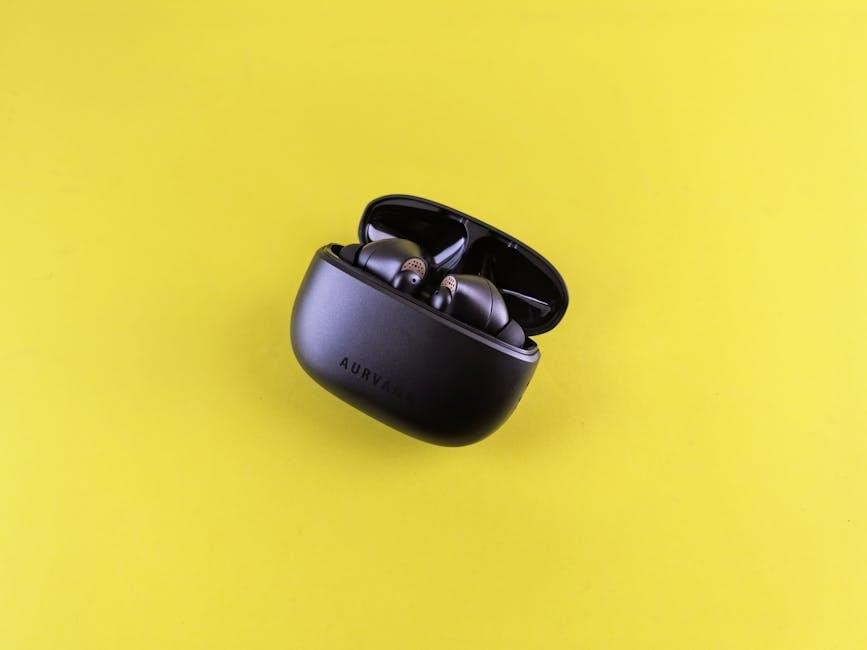
Setting Up Your Monster Bluetooth Receiver
Begin with a component check, then power on the device. Pairing is simple, allowing connection to various audio systems – from home stereos to car setups.
Unboxing and Component Check
Carefully unpack your Monster Bluetooth Audio Receiver. Verify all components are present: the receiver unit itself, a user manual (potentially a PDF version available online), and any included cables – typically a 3.5mm audio cable or a USB charging cable. Inspect each item for physical damage sustained during shipping; Ensure the receiver’s LED display is intact and free from cracks. Confirm the presence of any additional accessories, such as an FM transmitter antenna if your model supports that functionality. Retain the original packaging for potential returns or warranty claims. A quick inventory now prevents issues later during setup and operation, guaranteeing a smooth initial experience with your new device.
Powering On and Initial Setup
Before first use, fully charge your Monster Bluetooth Audio Receiver using the provided USB cable. Once charged, press and hold the power button – its location is detailed in the user manual – until the LED indicator illuminates. The initial setup may involve a brief self-test. Allow the device to power on completely before attempting any Bluetooth pairing. Some models default to music playback mode. Familiarize yourself with the Multi-Function Button (MFB) for controlling power and other functions. Ensure the receiver is placed within a reasonable distance of your audio system for easy connection.
Bluetooth Pairing with Devices
To pair, ensure your Monster receiver is in pairing mode – typically activated by a long press of the MFB. On your smartphone or tablet, enable Bluetooth and scan for available devices. Select “Monster [model number]” from the list. If prompted, enter the pairing code “0000”; A successful connection is usually indicated by a solid LED light or an audible tone. The receiver remembers previously paired devices, automatically reconnecting when in range. If pairing fails, clear the receiver’s memory and repeat the process. Refer to the FAQ section of the manual for troubleshooting.
Connecting to Audio Systems (Stereo, Amplifiers)
Connect your Monster receiver to existing audio systems using a 3.5mm auxiliary cable or RCA cables, depending on your setup. Plug one end into the receiver’s output and the other into your stereo’s auxiliary input or amplifier’s RCA inputs. Ensure your stereo is set to the correct input source. For car audio systems, utilize the FM transmitter function (if equipped) by tuning both the receiver and car radio to the same frequency. Verify a secure connection for optimal sound quality. Consult the user manual for specific port locations.
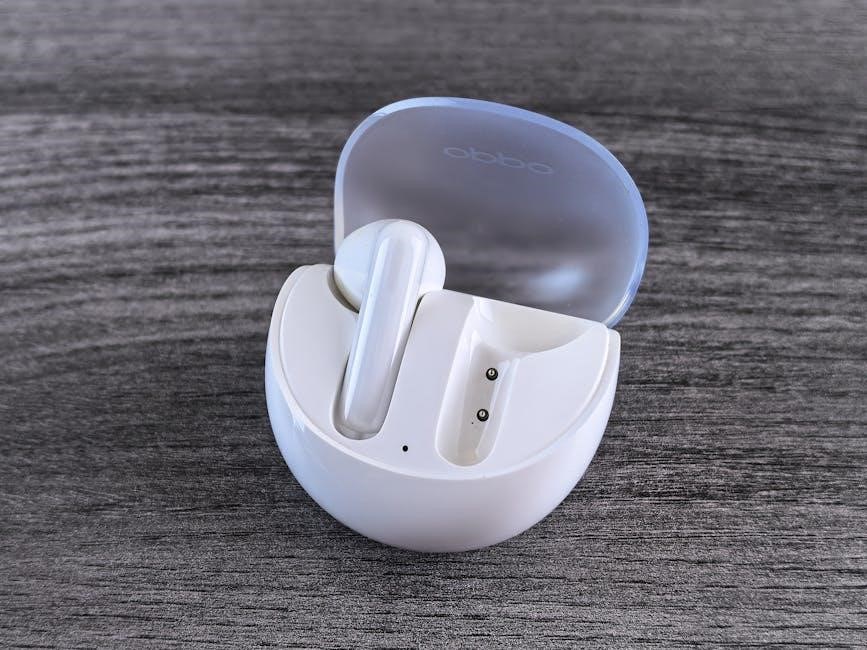
Operational Instructions
Utilize the Multifunction Button (MFB) for control; three quick presses activate music mode. Indicator lights signal power, pairing, and playback status for seamless audio.
Power Button and Indicator Lights
The power button initiates device operation and displays status via integrated indicator lights. A solid blue light typically signifies a successful Bluetooth connection, enabling wireless audio streaming to your stereo system or amplifier. A flashing blue light indicates pairing mode, ready to connect with a new device.
When powering on, the LED may cycle through colors briefly before settling on the appropriate status. If no connection is established after a period, the light will often revert to a slower flashing pattern. Refer to the full user manual for specific light sequences and their corresponding meanings, ensuring optimal functionality of your Monster receiver.
Volume Control and Adjustment
Adjusting the volume on your Monster Bluetooth receiver is straightforward. Dedicated buttons, often marked with “+” and “-“, allow for precise control over the audio output level. These controls directly impact the sound sent to your connected stereo system or car audio setup.

Some models feature digital volume adjustment, providing finer granularity. Be mindful of both the receiver’s volume and the volume settings on your paired device to avoid distortion. Ensure a balanced sound experience by gradually increasing the volume until reaching a comfortable listening level. Consult the owner’s manual for specific details regarding volume limits.
Music Playback and Controls
Once paired, your Monster Bluetooth receiver seamlessly streams music from your device. Standard playback controls – play/pause, skip forward, and skip backward – are typically accessible via buttons on the receiver itself. Quick triple presses on the Multi-Function Button (MFB) initiate these functions.
Supported audio formats include MP3, WMA, FLAC, and WAV, ensuring compatibility with a wide range of digital music libraries. The receiver prioritizes music mode by default, offering uninterrupted listening. Refer to the user manual for detailed instructions on utilizing these controls and maximizing your listening enjoyment.
Handling Incoming Calls
Your Monster Bluetooth receiver functions as a hands-free car kit, allowing you to answer incoming calls directly through your car stereo system. When a call arrives, the music playback will pause, and you can answer by pressing the Multi-Function Button (MFB) once. Pressing the MFB again will end the call and resume music.
The built-in microphone ensures clear voice transmission. Ensure optimal microphone positioning for best call quality. Consult the user manual for specific MFB operation details and troubleshooting tips related to call functionality. Enjoy safe and convenient hands-free calling with your Monster device.
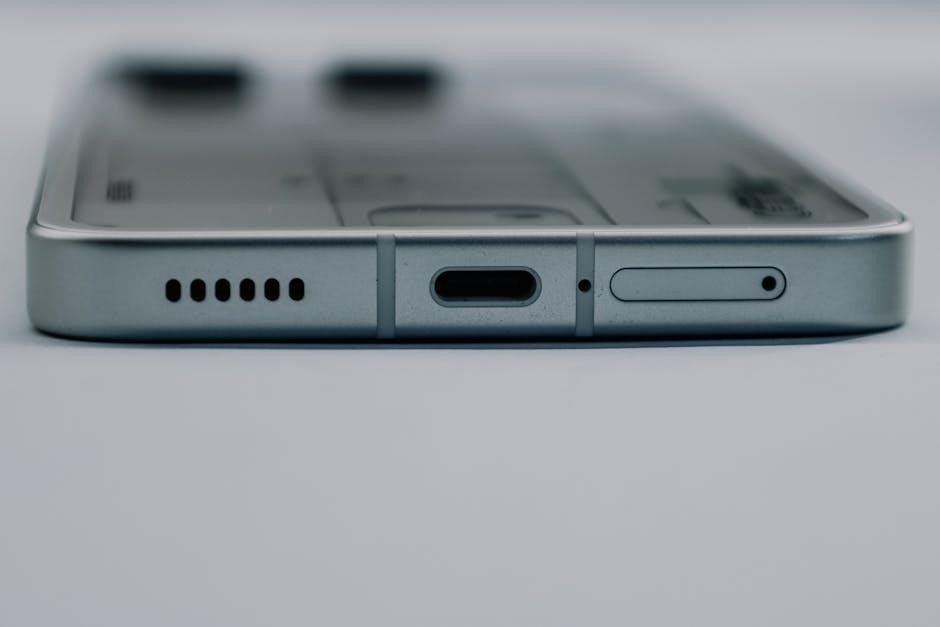
Troubleshooting Common Issues
Resolve pairing problems, audio distortion, connectivity glitches, or LED display malfunctions with our guide. Refer to the FAQ and manual for solutions.
Bluetooth Pairing Problems
Experiencing difficulty connecting your Monster Bluetooth receiver? Ensure your device is in pairing mode – typically activated by holding the power button. Verify Bluetooth is enabled on your source device (smartphone, tablet, etc.). If pairing fails, clear existing paired devices from the receiver’s memory. Some devices require a passcode; try “0000” or “1234”.
Check for interference from other wireless devices. Move the receiver closer to your source device during initial pairing. If the unit still cannot pair, consult the user manual’s FAQ section for specific troubleshooting steps related to your device. A factory reset, as described in the manual, can also resolve persistent pairing issues.
Audio Distortion or No Sound
If you encounter distorted audio or complete silence, first check the volume levels on both the Monster Bluetooth receiver and your connected device. Ensure the receiver is properly connected to your stereo system or amplifier using a suitable cable. Verify the selected audio format (MP3, WMA, FLAC, WAV) is supported by both the receiver and your playback device.
Try a different audio cable to rule out a faulty connection. If using the FM transmitter function, ensure the receiver is tuned to a clear frequency. A factory reset, detailed in the user manual, may resolve software-related audio problems. Consult the manual’s troubleshooting section for further assistance.
Connectivity Issues
Experiencing difficulty connecting your Monster Bluetooth receiver? Confirm Bluetooth is enabled on both the receiver and your source device. Ensure the devices are within the 10-meter Bluetooth range. Attempt re-pairing by removing the receiver from your device’s Bluetooth list and initiating a new pairing sequence. Interference from other wireless devices can disrupt connectivity; move away from potential sources.
Check for firmware updates, as these often address connectivity bugs. Refer to the online PDF manual or Monster support for update instructions. If problems persist, a factory reset might restore optimal connection functionality. Review the FAQ section for common connectivity solutions.
LED Display Malfunctions
If the Monster Bluetooth receiver’s LED display isn’t functioning correctly, first ensure the device is receiving adequate power. A dim or flickering display may indicate low voltage. If the display is completely blank, try a different power source or cable. Check the manual for specific LED indicator meanings; certain patterns signal errors.
Attempt a reset by disconnecting and reconnecting the power. If the issue persists, consult the online PDF manual for troubleshooting steps or contact Monster support. A malfunctioning display might require professional repair or replacement under warranty.
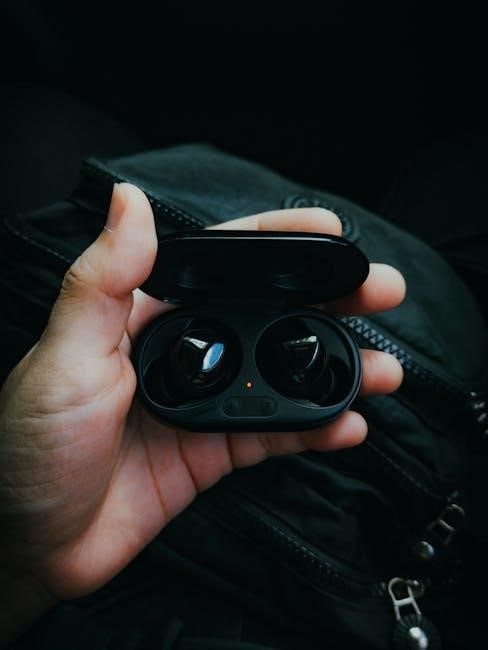
Advanced Features & Settings
Explore the FM transmitter, Bluetooth 5.0 compatibility, and supported formats like MP3, WMA, FLAC, and WAV for enhanced audio streaming options.
FM Transmitter Functionality (if applicable)
Many Monster Bluetooth receivers incorporate an FM transmitter, enabling wireless audio broadcasting to any FM stereo system. To utilize this feature, select an unoccupied FM frequency on your car or home stereo. Then, tune the receiver to that same frequency.
The device streams music and calls directly via Bluetooth V5.0 to the FM stereo. Ensure a clear signal by minimizing interference and adjusting the transmitter’s output power if available. Refer to the user manual for specific frequency range limitations and optimal settings for your Monster model; This provides a convenient alternative when direct Bluetooth connection isn’t possible;
Bluetooth Version and Compatibility
Monster Bluetooth receivers typically support Bluetooth V5.0, ensuring a stable connection and extended range – up to 10 meters. This version offers improved data transfer speeds and energy efficiency. Compatibility extends to a wide range of devices, including smartphones, tablets, and laptops.
However, older Bluetooth versions may exhibit limited functionality. The receiver supports pairing with multiple devices, remembering them for future connections. Check your device’s Bluetooth specifications for optimal performance. The manual details troubleshooting steps for pairing issues and confirms supported audio profiles for seamless music streaming.
Supported Audio Formats (MP3, WMA, FLAC, WAV)
Monster Bluetooth receivers are designed for versatility, supporting popular audio formats like MP3, WMA, FLAC, and WAV. This broad compatibility ensures high-quality playback from various sources. FLAC and WAV formats deliver lossless audio, preserving original recording details for audiophiles.
MP3 and WMA offer compressed file sizes, ideal for storing large music libraries. The receiver automatically detects the audio format and optimizes playback accordingly. Refer to the user manual for specific codec details and potential limitations. Ensure your source device supports these formats for seamless streaming and optimal stereo sound.

Safety and Maintenance
Prioritize safe usage by following precautions. Regularly clean the receiver with a soft cloth and store it in a dry place to ensure longevity.
Precautions for Safe Usage
To ensure safe operation of your Monster Bluetooth receiver, avoid exposure to extreme temperatures and humidity. Do not disassemble the device, as this will void the warranty and may pose an electrical hazard. Keep the receiver away from water and other liquids to prevent damage.
Ensure adequate ventilation around the device during operation to prevent overheating. Avoid placing heavy objects on top of the receiver. Use only the provided power adapter or a compatible replacement to prevent damage to the device or a fire hazard. Disconnect the receiver from the power source during extended periods of non-use and during thunderstorms.
Follow all local regulations regarding the disposal of electronic devices. Improper disposal can harm the environment. This device may cause harmful interference, and operation is subject to the following two conditions: it must not cause harmful interference, and it must accept any interference received.
Cleaning and Storage Guidelines
To maintain your Monster Bluetooth receiver’s appearance and functionality, regularly clean it with a soft, dry cloth. Avoid using harsh chemicals, abrasive cleaners, or excessive moisture, as these can damage the surface. For stubborn dirt, lightly dampen the cloth with water and gently wipe the affected area.
When storing the receiver for extended periods, disconnect it from the power source and place it in a cool, dry environment. Protect it from dust and direct sunlight. Store the receiver in its original packaging, if available, or a protective case to prevent scratches and damage during storage. Ensure the storage location is free from extreme temperatures and humidity.
Proper cleaning and storage will help prolong the life of your Monster Bluetooth receiver and ensure optimal performance when you’re ready to use it again.
Warranty Information and Support
Your Monster Bluetooth receiver is covered by a limited warranty against defects in materials and workmanship. The warranty period typically begins from the date of original purchase; Please retain your proof of purchase for warranty claims.
To initiate a warranty claim, contact Monster Support through their official website or customer service channels. Be prepared to provide your purchase details, a description of the issue, and potentially photos or videos demonstrating the defect.
For additional support, including FAQs, troubleshooting guides, and user manuals, visit the Monster website. Their online resources offer comprehensive assistance. Contacting Monster directly ensures you receive accurate and up-to-date information regarding your product’s warranty and support options.
Technical Specifications
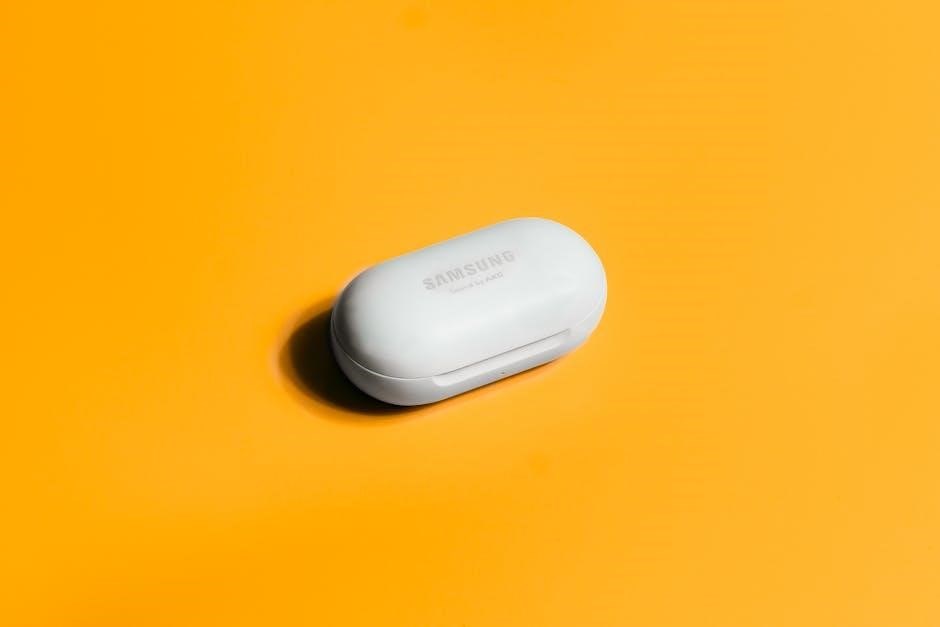
Monster receivers boast 10m Bluetooth range, V5.0 compatibility, and support MP3, WMA, FLAC, WAV formats. Power input/output varies by model; check your manual.
Bluetooth Range and Version
The Monster Bluetooth audio receiver typically operates within a 10-meter (approximately 33 feet) range, providing a stable connection for seamless music streaming. However, this range can be affected by obstacles like walls, interference from other wireless devices, and the receiving device’s Bluetooth capabilities.
Most Monster receivers utilize Bluetooth version 5.0, ensuring enhanced speed, greater range, and improved connection reliability compared to older versions. This advanced version also supports efficient power consumption, extending the receiver’s battery life during portable use. Compatibility extends to a wide array of Bluetooth-enabled smartphones, tablets, and laptops.
Power Input and Output
Monster Bluetooth receivers generally require a 5V DC power input, commonly supplied via a USB port. This allows for convenient powering from a computer, wall adapter, or portable power bank. Some models may also feature a built-in rechargeable battery for cordless operation, offering extended playback time.
The audio output is typically a 3.5mm auxiliary (AUX) jack, enabling connection to various audio systems like stereo receivers, amplifiers, or car audio setups. The output power is designed to deliver clear and robust sound, compatible with most standard audio devices. Ensure proper voltage and polarity when using external power sources to prevent damage.
Dimensions and Weight
Monster Bluetooth receivers are designed for portability and ease of integration into various setups. Typical dimensions range from approximately 2.5 x 2.5 x 0.8 inches, making them compact enough to fit comfortably in a pocket or bag. However, specific dimensions can vary slightly depending on the model, such as the 2MNCA0116B0A2.
The weight of these receivers is generally lightweight, usually around 2-4 ounces. This minimal weight contributes to their portability and makes them ideal for travel or on-the-go use. These compact dimensions and light weight ensure the receiver won’t add bulk to your existing audio system.
User Manual Resources
Find comprehensive Monster receiver support via PDF manuals online, FAQs, and direct contact with Monster support for troubleshooting and assistance.
Locating the PDF Manual Online
Accessing the Monster Bluetooth Audio Receiver’s complete user manual in PDF format is straightforward. Begin by visiting the official Monster website. Navigate to the ‘Support’ or ‘Downloads’ section, typically found in the website’s footer. Utilize the search function, entering your specific model number – such as 2MNCA0116B0A2 – to refine results.
Alternatively, a general web search using terms like “Monster Bluetooth receiver manual PDF” will yield relevant links. Ensure the source is reputable to avoid downloading potentially harmful files. The PDF manual contains detailed instructions, specifications, troubleshooting guidance, and safety information for your device, offering a comprehensive resource for optimal usage.
Frequently Asked Questions (FAQ)
Q: My Monster Bluetooth unit won’t pair. A: Ensure Bluetooth is enabled on both devices. Clear previous pairings and try again. Confirm the receiver is in pairing mode.
Q: There’s audio distortion. A: Check the audio source quality and volume levels. Ensure a stable Bluetooth connection. Try a different audio cable if applicable.
Q: I have connectivity issues. A: Move devices closer together. Avoid interference from other wireless devices. Restart both the receiver and the connected device. Refer to the manual for supported audio formats like MP3, WMA, FLAC, and WAV.
Contacting Monster Support
For dedicated assistance with your Monster Bluetooth Audio Receiver, explore the online resources first. Locate the comprehensive PDF manual on the official Monster website for detailed troubleshooting steps and specifications.
If further support is needed, visit the Monster support page and submit a request detailing your issue. Be prepared to provide your model number and a description of the problem. Alternatively, check the FAQ section for common solutions. Direct contact information, including email or phone numbers, may be available on their website.